
What Kind of Insurance Does a Yacht Owner in Massachusetts Really Need?
Owning a yacht in Massachusetts offers a unique way to enjoy the coastline, from Cape Cod to Boston Harbor. At the same time, it comes with a set of risks and responsibilities that may not be fully addressed by standard boating policies. Yacht Insurance is designed to reflect the size, value, and complexity of larger vessels, but the right approach often depends on how and where the yacht is used.
For yacht owners working with Roger Keith & Sons Insurance, the goal is often to build a policy that aligns with both Massachusetts regulations and real-world usage. Below are common questions yacht owners ask when considering their insurance needs.
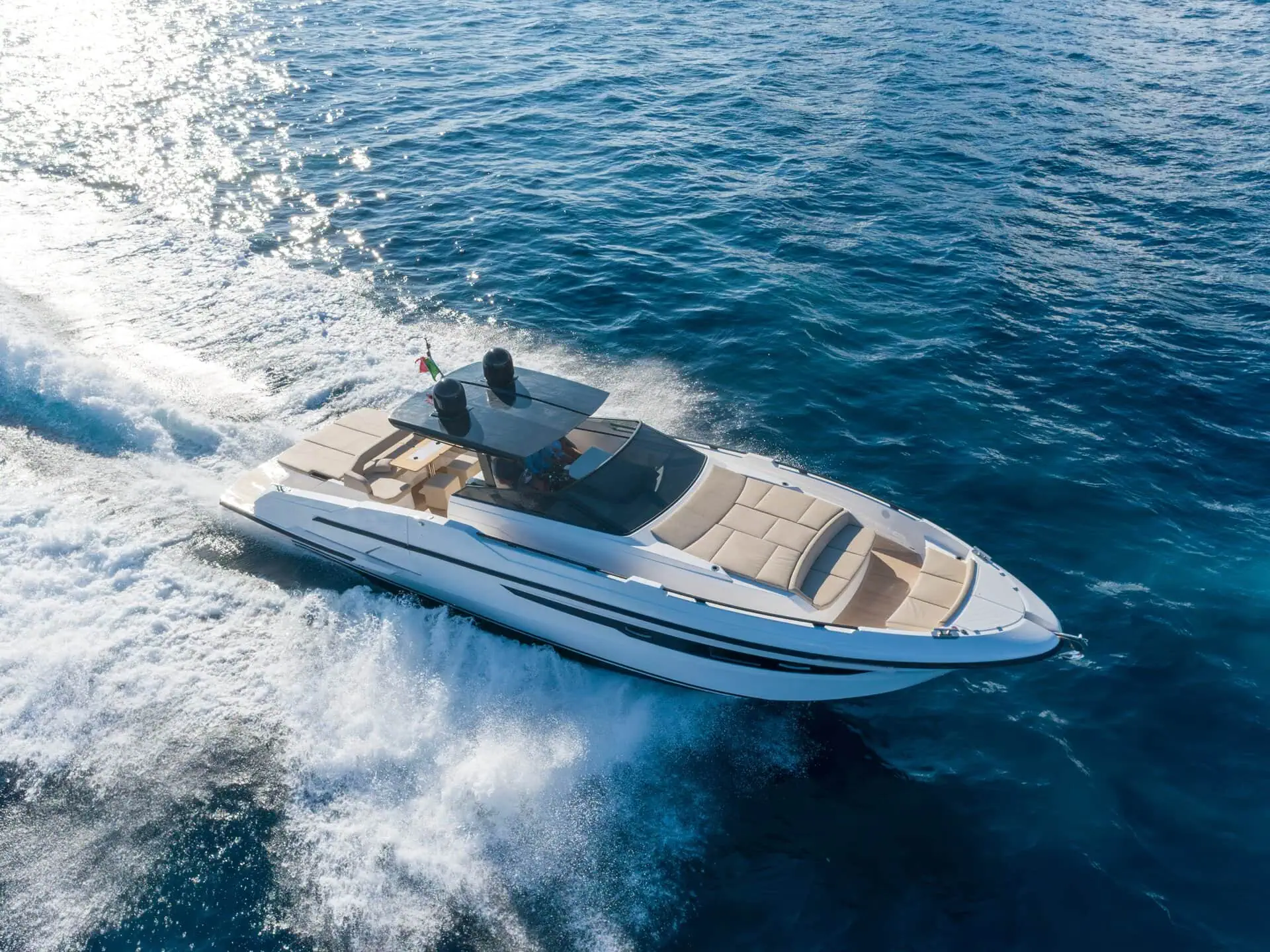
What Makes Yacht Insurance Different From Standard Boat Insurance?
Yacht Insurance generally applies to larger or higher-value vessels, often those exceeding a certain length or value threshold. In Massachusetts, where waters can range from calm harbors to more unpredictable offshore conditions, this distinction can matter.
Unlike basic boat insurance, yacht policies may take a broader approach by considering navigation areas, crew requirements, and specialized equipment. Coverage considerations often extend beyond simple physical damage to include liability scenarios, emergency assistance, and seasonal factors that are particularly relevant in New England.
For example, a yacht docked in Massachusetts for part of the year and stored during the winter may require a different structure than a smaller recreational boat used only occasionally.
What Types Of Coverage Might A Massachusetts Yacht Owner Consider?
Yacht Insurance policies can vary, but there are several types of coverage that Massachusetts yacht owners often explore.
Hull and machinery coverage may help address damage to the vessel itself, whether caused by collision, weather, or other covered events. Given the exposure to coastal storms in Massachusetts, this can be an important consideration.
Liability coverage is another key component. It may help with costs related to bodily injury or property damage involving other parties. In busy waterways like Boston Harbor, this type of protection is often part of a broader risk management strategy.
Medical payments coverage may be available to help with injuries sustained by passengers, regardless of fault. Additionally, some policies may include protection for personal belongings on board, which can add up quickly on a well-equipped yacht.
Each of these elements can be adjusted based on how the yacht is used, whether for private recreation, entertaining guests, or extended cruising.
How Does Massachusetts Weather Impact Yacht Insurance Needs?
Massachusetts weather can be unpredictable, particularly along the coast. Nor’easters, heavy winds, and seasonal storms may increase the potential for damage, even when a yacht is docked.
Because of this, insurers often take into account where and how the yacht is stored during the off-season. Winter storage arrangements, whether on land or in the water, may influence how a Yacht Insurance policy is structured.
Some yacht owners also navigate south during colder months. If that is the case, navigation limits within the policy may need to reflect travel outside Massachusetts waters. These geographic considerations can play a role in how coverage is tailored.
Working with a local agency like Roger Keith & Sons Insurance can help ensure these regional factors are part of the conversation.
Is Liability Coverage Important For Yacht Owners In Massachusetts?
Liability exposure is often a concern for yacht owners, particularly in areas with dense marine traffic. Massachusetts waterways can become crowded during peak boating season, which may increase the likelihood of incidents involving other vessels or individuals.
Liability coverage may help address claims related to injuries, property damage, or legal expenses. While no policy can eliminate risk entirely, having a structure that reflects how the yacht is used may provide a level of financial protection.
For example, a yacht used to host social gatherings could present different liability considerations than one used strictly for personal cruising. These differences are often factored into policy design.
Do Yacht Owners Need Coverage For Crew And Guests?
Some yachts in Massachusetts operate with hired crew, while others are owner-operated. If crew members are involved, additional coverage considerations may come into play.
Certain policies may offer options that relate to crew liability, wages, or injury-related expenses. These options can vary depending on the insurer and the specifics of the arrangement.
Even without a formal crew, guests on board can introduce additional risk. Medical payments coverage or similar provisions may help address injuries that occur during normal use of the yacht.
Because these situations can differ widely, yacht owners often benefit from reviewing how their policy addresses both crew and guest scenarios.
How Are Navigation Limits And Usage Considered?
Navigation limits define where a yacht is permitted to travel under the terms of its insurance policy. For Massachusetts yacht owners, this could include coastal waters, inland waterways, or extended routes along the Eastern Seaboard.
If a yacht is used beyond its stated navigation area, coverage could be affected. That is why it is often important to align the policy with actual travel plans.
Usage is another factor. A yacht used strictly for personal recreation may be treated differently than one used for charters or business purposes. Even occasional commercial use could influence how a policy is structured.
Clear communication about how and where the yacht will be used helps ensure the insurance approach reflects real-world conditions.
What Role Does Agreed Value Play In Yacht Insurance?
Many Yacht Insurance policies reference either agreed value or actual cash value when determining how claims are handled.
Agreed value policies typically involve establishing the value of the yacht at the start of the policy period. In the event of a covered total loss, that agreed amount may be used as the basis for settlement, subject to policy terms.
Actual cash value approaches, on the other hand, may factor in depreciation over time. The difference between these approaches can be significant, particularly for high-value yachts.
Massachusetts yacht owners often review these options carefully to determine which aligns with their expectations and financial considerations.
How Can A Massachusetts Insurance Agency Help Tailor Coverage?
Yacht Insurance is rarely one size fits all, especially in a state like Massachusetts where boating conditions and usage patterns can vary widely. Working with a local agency such as Roger Keith & Sons Insurance can provide access to carriers and policy structures that reflect these nuances.
An experienced agency can help evaluate factors like vessel size, storage arrangements, navigation plans, and liability exposure. From there, they can present options that align with the owner’s priorities while remaining mindful of Massachusetts-specific risks.
Rather than relying on a generic policy, yacht owners often benefit from a more tailored approach that considers both the vessel and how it fits into their lifestyle
Contact our team today to learn more about our yacht insurance options or to request a policy tailored to your specific needs.