Running a pest control business in Massachusetts involves more than eliminating unwanted insects and rodents. Pest control professionals work in homes, offices, restaurants, warehouses, and other properties where mistakes, accidents, or unexpected incidents can create financial concerns. From applying pest control products to driving between service appointments, everyday operations can involve a range of risks.
The right Pest Control Insurance strategy can help a Massachusetts business prepare for some of these exposures. While every company has different needs, reviewing several types of business insurance may help pest control owners build an insurance program that aligns with their services, equipment, employees, and customers.
Why Does A Massachusetts Pest Control Business Need Insurance?
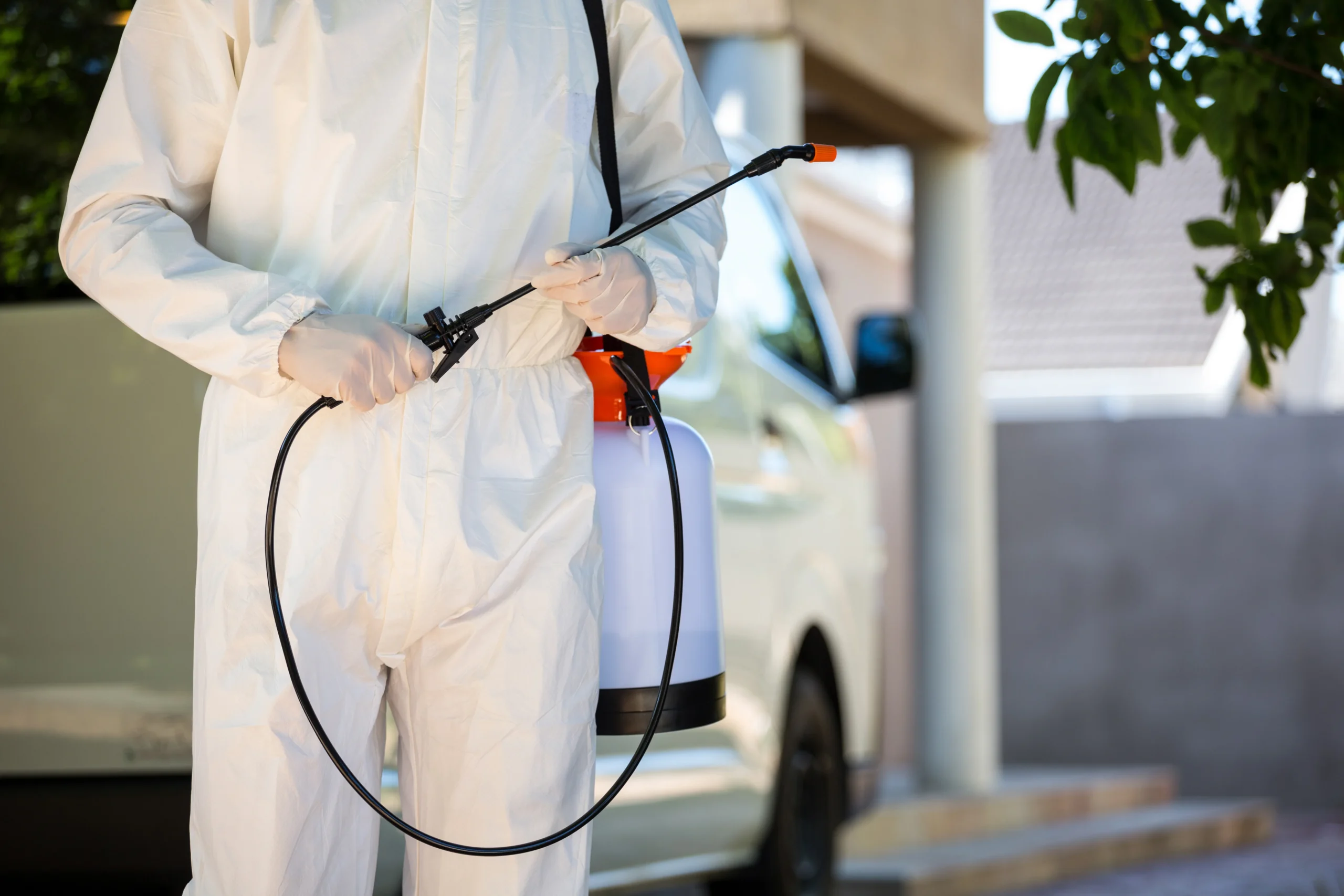
Pest control companies regularly enter properties belonging to customers and perform specialized services. These activities can create potential risks involving property damage, injuries, vehicles, employees, equipment, and professional services.
For example, a technician could accidentally damage a customer’s property while treating an infestation, or someone could claim that a service caused an unexpected problem. A company vehicle could also be involved in an accident while traveling between appointments. These situations can become costly without an appropriate risk management strategy.
Pest Control Insurance may provide several options for addressing business exposures, depending on the policies selected, applicable exclusions, limits, and other terms. Working with an insurance professional can help business owners identify the risks most relevant to their operations and consider appropriate coverage options.
What Types Of Pest Control Insurance May Be Important?
There is no single insurance policy that fits every pest control operation. A business may need to consider several forms of protection based on its size, services, employees, vehicles, and property.
Some commonly considered options may include:
- General Liability Insurance: May help address certain third-party claims involving bodily injury or property damage, subject to policy terms.
- Commercial Auto Insurance: May be considered when vehicles are used for business activities, including traveling to customer locations.
- Workers’ Compensation Insurance: May be relevant for businesses with employees and can address certain work-related employee injuries, subject to Massachusetts requirements and policy provisions.
- Commercial Property Insurance: May be useful to consider when the company owns or leases an office, storage space, equipment, or other business property.
- Professional Liability Insurance: May be worth reviewing when customers could allege that professional advice, services, or recommendations resulted in financial harm.
The appropriate combination can vary considerably from one pest control company to another. An insurance review can help identify potential gaps and determine which policies may fit the business.
How Can Liability Risks Affect Pest Control Companies?
Liability is an important consideration for pest control businesses because technicians often work directly on customers’ properties. Even when a technician follows established procedures, unexpected situations can occur.
A customer might allege that a treatment damaged property, caused an injury, or failed to address a pest problem as expected. Certain pest control services may also involve products or chemicals that require careful handling and application. The circumstances surrounding a claim can influence whether and how an insurance policy may respond.
General liability insurance is one option businesses commonly review when evaluating these exposures. Depending on the policy, it may address certain claims involving third-party bodily injury or property damage. However, coverage is subject to the specific policy language, exclusions, conditions, and limits.
Does Pest Control Insurance Need To Account For Employees?
Employees can be an essential part of a growing pest control company, but having a team also introduces additional workplace considerations. Technicians may spend much of their day driving, entering customer properties, handling equipment, and performing pest treatments.
Massachusetts businesses with employees should review workers’ compensation requirements and discuss their specific circumstances with an insurance professional. Workers’ compensation insurance may provide benefits for certain qualifying work-related injuries or illnesses, depending on applicable laws and policy terms.
Employers may also want to establish workplace procedures covering equipment use, product handling, driving, customer interactions, and other routine activities. Insurance and safety practices can work together as part of a broader risk management approach.
What Should Pest Control Companies Consider When Insuring Vehicles And Equipment?
Pest control professionals often depend on vehicles and specialized equipment to serve customers. Service vans and trucks may transport sprayers, tools, protective equipment, products, and other supplies from one job to another.
Commercial auto insurance may be worth considering when vehicles are primarily used for business purposes. Depending on the policy, certain vehicle-related risks may be addressed, but the appropriate protection can depend on how vehicles are owned, operated, and used.
Businesses should also consider the value of their equipment and supplies. Property insurance options may be available for qualifying business property, while additional considerations may apply to equipment transported between locations. Keeping an up-to-date inventory can make it easier to discuss the business’s needs with an insurance professional.
How Can Pest Control Businesses in Massachusetts Build A Better Insurance Strategy?
An effective insurance strategy starts with understanding how the business actually operates. A company that focuses on residential pest treatments may face different exposures from one that serves restaurants, commercial buildings, industrial facilities, or property management companies.
Business owners may want to review questions such as:
- What types of pest control services does the company provide?
- How many employees and vehicles does the business have?
- Does the company store equipment or products at a dedicated location?
- Does it perform work for commercial or residential customers?
- Does the business provide recommendations or specialized professional services?
- Are subcontractors used for any part of the work?
Answers to these questions can help shape a more informed discussion about Pest Control Insurance. Policies should be reviewed periodically as the company adds employees, vehicles, customers, services, or locations.
Where Can Pest Control Businesses Get Started With Insurance?
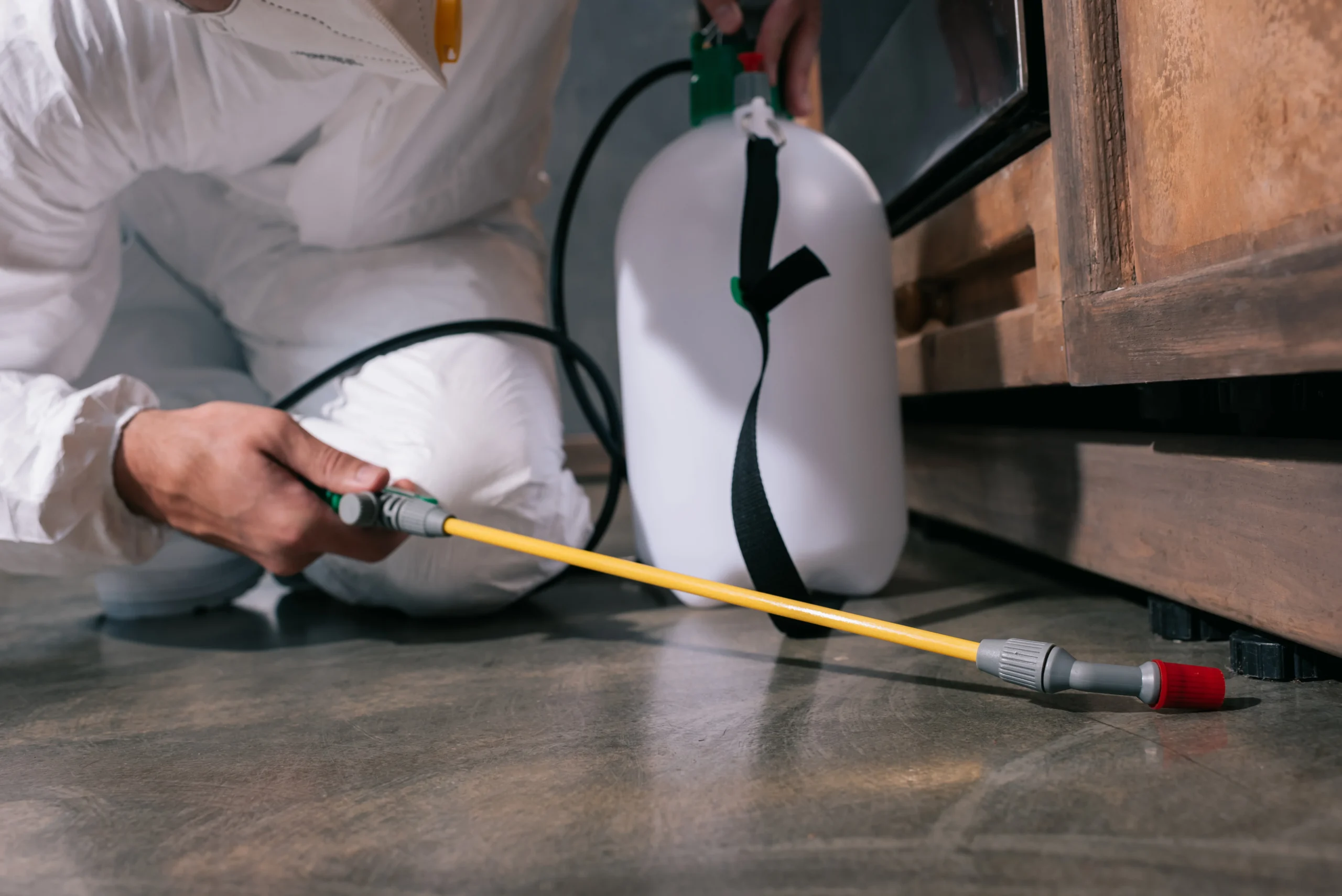
Pest control companies face a combination of service, property, vehicle, employee, and liability exposures that can make insurance planning an important part of running the business. Rather than selecting policies based solely on what another company carries, business owners can evaluate their own operations and identify the risks that may require attention.
Roger Keith & Sons Insurance can help Massachusetts pest control business owners review their insurance needs and explore options that fit their particular operations. Reach out today to discuss Pest Control Insurance and take the next step toward developing an insurance strategy for your business.